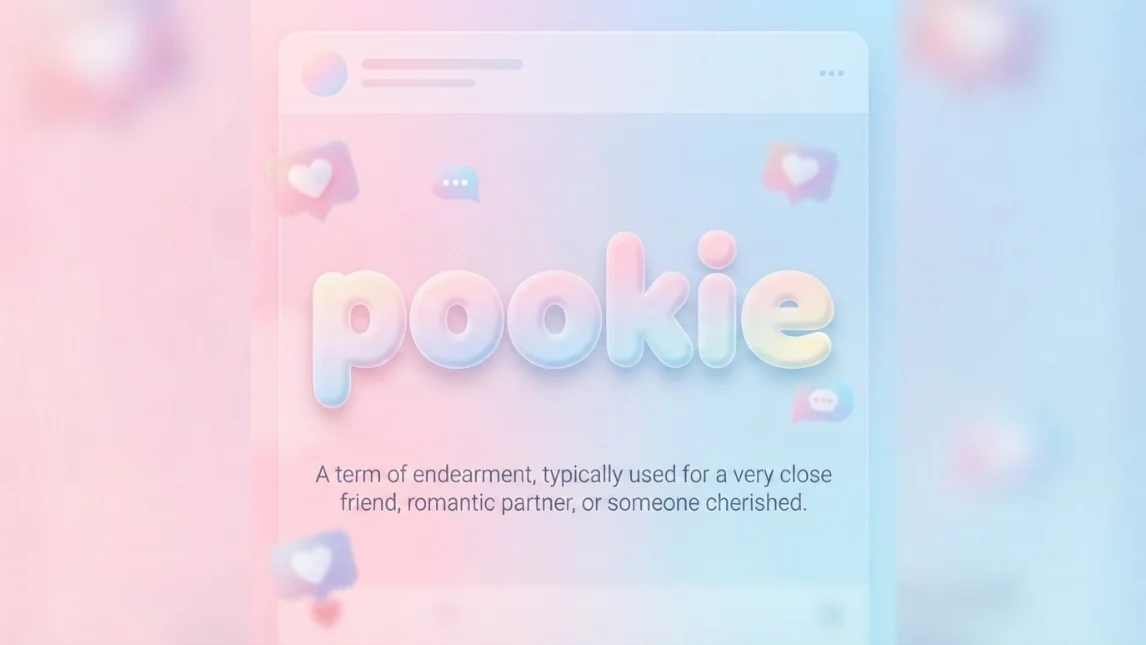
Pookie meaning is an affectionate nickname similar to “sweetie,” “honey,” or “baby.” People use it to show fondness for a romantic partner, close friend, family member, or someone they find adorable. The term frequently appears in TikTok videos, Instagram captions, and casual text messages. Although it often sounds loving and playful, it does not automatically indicate romantic interest; the relationship and tone help determine its meaning.
If someone calls you “pookie,” they are probably using a cute nickname to express affection or closeness. The word is similar to “sweetie,” “honey,” or “babe,” and it can be used for a romantic partner, a best friend, or even a beloved pet. Its playful sound makes it feel warm and familiar in everyday conversations.
The term has also become popular across TikTok, Instagram, and Snapchat, where creators use it in captions, videos, and comments. Sometimes it expresses genuine affection; other times, people use it humorously or ironically to tease a friend or play up a cute moment.
Understanding pookie meaning comes down to the relationship between the people involved and how the word is used. A partner might use it as a loving pet name, while a friend may say it simply to show closeness. So, if someone calls you pookie, consider the tone and context before assuming it has a romantic meaning.
Quick Answer Summary
| Metric | Details |
| Core Meaning | A cute, affectionate nickname for a loved one, friend, or creator. |
| Context | Romance, platonic friendships, internet commentary, and fandoms. |
| Primary Platforms | TikTok, Snapchat, Instagram, and SMS Texting. |
| Example | “Good morning pookie, I hope you have an amazing day!” |
| Tone | Warm, casual, occasionally ironic, and highly supportive. |
What Does pookie meaning Imply in Internet Culture?
To truly unpack the pookie meaning, one must look closely at its historical roots and modern digital evolution. While the phrase sounds like a product of the Gen Z vocabulary machine, it actually predates the internet by several decades. Historically, older generations used variants like “pooh Bear” or “pook” as private, domestic nicknames for children and spouses.
However, the term underwent a massive cultural rebirth on social media around late 2023 and early 2024. TikTok creators began using the word aloud in videos to refer to their partners, transforming it into a public spectacle. The modern iteration balances genuine affection with a slight touch of internet irony. Furthermore, the word relies heavily on its phonetic softness, making it feel inherently comforting and non-threatening.
Today, the expression has transcended its original romantic boundaries. It now functions as a universal signifier of appreciation within online communities. For example, fans frequently comment on videos of their favorite influencers using this specific title to show unwavering support.
Contextual Dynamics and Nuances of the Term
The application of this word depends entirely on the relationship between the speaker and the listener. Without proper context, pet names can occasionally misfire or cause confusion in professional settings.
The Romantic Lens
In relationships, the word serves as a direct substitute for traditional terms like “babe” or “sweetheart.” It signals emotional intimacy and safety. Partners often use it during casual conversations, morning texts, or when comforting each other after a stressful day.
The Platonic Shift
Among close friends, the phrase acts as an intensifier for loyalty and warmth. It is highly common for individuals to address their best friends with this term to validate their bond. For instance, when a friend posts a stunning photo, leaving a comment with this moniker boosts their confidence instantly. You can easily learn more about these social shifts by exploring our comprehensive guide on internet trends.
The Ironic and Satirical Angle
Interestingly, a significant portion of social media users deploy the word ironically. They might address a rival, a pet, or an inanimate object with the name to create a humorous contrast. This satirical layer is precisely what keeps the term relevant across diverse internet demographics.
Real-Life Conversation Examples Using pookie meaning
To help you seamlessly integrate this term into your daily vocabulary, examine these five distinct dialogue scripts. They reflect authentic digital communication patterns across various social contexts.
The Morning Check-In (Romantic)
- Person A: Good morning! Are you awake yet?
- Person B: Just woke up. What are your plans for today?
- Person A: I have a few meetings, but I wanted to wish you luck on your presentation. You are going to do great, my pookie.
- Person B: Thank you so much! That actually makes me feel a lot less nervous.
The Outfit Compliment (Platonic Friends)
- Person A: Sends a mirror selfie showcasing a new outfit.
- Person B: Oh my goodness, stop it right now! You look absolutely incredible!
- Person A: Thanks! I was not entirely sure about the jacket, to be honest.
- Person B: The jacket is the best part. You are literally glowing, pookie!
Coordinating Dinner Plans (Casual)
- Person A: Hey, are we still meeting up at seven tonight?
- Person B: Yes, I am leaving my office in about twenty minutes. Where are we eating?
- Person A: Let us get sushi. I already made a reservation for us.
- Person B: Perfect, see you soon, pookie.
Offering Emotional Support (Comforting)
- Person A: I had such a terrible day at school. My grade on the history exam was lower than I expected.
- Person B: Do not be so hard on yourself. You studied incredibly hard for that test.
- Person A: I know, but I still feel like I failed.
- Person B: Listen to me, one test does not define your intelligence. Don’t cry, pookie, we can study together next time.
The Ironic Interruption (Humorous)
- Person A: I am officially declaring that I am never playing this video game ever again. It is completely broken.
- Person B: You said that exact same thing yesterday afternoon.
- Person A: This time I actually mean it. I am deleting the app right now.
- Person B: Okay pookie, whatever you say. See you online in an hour.
Platform-Specific Breakdown
Every major social network handles slang uniquely. Understanding where and how to deploy the phrase keeps you from looking out of touch.
How It Is Used on Snapchat
On Snapchat, the phrase thrives inside private messaging spaces and group chats. Because Snapchat prioritizes rapid, visual communication, users frequently paste the word onto snaps as text overlays. It often accompanies casual selfies, pictures of food, or late-night updates sent to a select circle of best friends. The app’s ephemeral nature encourages highly casual, unpolished language.
The Role of pookie meaning on TikTok
TikTok is the undisputed epicenter of this slang phenomenon. The platform popularized the phrase through viral soundbites and comedy sketches. For example, prominent creators frequently refer to their spouses by this name in their video vlogs, turning the moniker into an overnight sensation.
Consequently, the comment sections of viral videos are filled with users calling creators their favorite internet icons. If you want to understand how video algorithms spread these words, check out our analysis of social media algorithms.
Instagram and Texting Dynamics
On Instagram, the term shifts toward public validation. Users routinely drop the word under photos posted by their friends or peers. It functions as a digital badge of approval.
Meanwhile, standard SMS texting treats the phrase with maximum intimacy. When it appears in a traditional text thread, it usually signifies a deep, established relationship free from the performative nature of public social media feeds.
Alternative Meanings and NLP Variations of the Phrase
From a linguistic and Natural Language Processing perspective, the term shares semantic space with several other contemporary expressions. Analyzing these variations helps clarify the broader landscape of modern affection.
| Category | Examples |
|---|---|
| Traditional | Honey, Sweetie, Baby, Darling |
| Modern Internet | Bae, Bestie, Boo, Pookie |
| Regional Dialects | Boo-thang, Sugar, Cutie |
As shown above, the term sits comfortably alongside historical favorites while maintaining its distinct digital flair. NLP models track these words as high-affinity markers, meaning they indicate strong positive sentiment within a text block.
Furthermore, users often modify the word into playful variants like “pooks” or “pookster” depending on the level of playfulness they desire. These slight modifications allow the language to remain flexible and exciting.
Misinterpretations: When NOT to Use the Term
Despite its popularity, using this nickname in the wrong scenario can lead to severe social awkwardness or misunderstandings. Boundaries are critical when dealing with highly affectionate terms.
- Professional Work Environments: Never use this slang with supervisors, colleagues, or clients. It violates corporate boundaries and appears unprofessional.
- Formal Conversations: Keep the phrase out of academic essays, business emails, and official presentations.
- Acquaintances and Strangers: Addressing someone you barely know with an intimate pet name can make them feel uncomfortable or defensive.
- Serious Arguments: Deploying a cute nickname during a tense, serious dispute can seem dismissive or passive-aggressive.
To master professional communication boundaries, consider reviewing our guide on digital workspace etiquette.
How to Respond in Chat Comfortably
If someone calls you by this nickname, your response should match the energy and nature of your relationship with them. You have several options depending on how you feel about the gesture.
If You Appreciate the Affection
If a close friend or partner uses the term, you can easily match their energy. Respond with a heart emoji, a smiling face, or mirror the slang directly back to them. Saying something simple like “Thanks, pookie!” keeps the conversation flowing smoothly without any friction.
If You Prefer an Ironic Comeback
When a friend uses the word humorously, feel free to banter back. You can respond with a playful eye-roll emoji or a lighthearted joke about how overly dramatic they are being. This maintains the fun, casual atmosphere of the chat.
If It Makes You Uncomfortable
If an acquaintance uses the word and it crosses your personal boundaries, you can redirect the conversation politely. Simply ignore the nickname and answer the core question, or gently state that you prefer to be called by your actual name. Setting clear communication boundaries is always a healthy choice.
FAQs
Is pookie a romantic or platonic term?
It can be both. While it originally started as a romantic pet name, social media has expanded its usage to include close friendships and fan-to-creator relationships.
Where did the viral pookie trend originate?
The modern viral trend exploded on TikTok, largely driven by lifestyle creators who used the nickname consistently in their daily video vlogs to describe their partners.
Is the word considered gender-neutral?
Yes, the term is entirely gender-neutral. Anyone can use it to refer to a friend, partner, or family member regardless of gender identity.
Why did this specific name become so popular?
The word became popular due to its cute phonetic sound and its frequent repetition by major internet influencers, which quickly turned it into a recognizable meme.
Can I use this slang in a professional email?
Absolutely not. The term is highly casual and intimate, making it completely inappropriate for workplace communication or formal contexts.
What is the difference between bae and this term?
While both are affectionate nicknames, “bae” is almost exclusively romantic, whereas this newer term is frequently used platonically between best friends.
Is the term popular outside of the United States?
While it originated primarily within US internet culture, global social media platforms have spread the slang to English speakers worldwide.
How do older generations view this slang?
Many older individuals find the term familiar because older variations of the nickname were used decades ago, though the modern ironic usage is unique to younger generations.
Does the word have any negative meanings?
No, the word possesses an entirely positive, affectionate connotation, though it can become annoying if overused excessively in a short period.
How long do internet slang trends like this usually last?
Many internet slang terms fade within a year, but phrases that successfully cross over into daily texting vocabularies often persist for several years.
Conclusion
Ultimately, the widespread adoption of this term highlights how quickly digital spaces can redefine traditional language. What began as a simple, historical pet name has been successfully repurposed into a multi-layered tool for social connection. It allows individuals to express warmth, build digital communities, and share moments of lighthearted humor.
As internet culture continues to evolve, keeping track of these linguistic shifts ensures that your communication remains relevant, engaging, and empathetic. If you want to stay ahead of the curve on digital communication shifts, check out our comprehensive overview of emerging text slang. Have these new terms changed how you message your inner circle?







1 thought on “Pookie Meaning| The Cute Nickname Taking Over Social Media”